
Not all car alarms are the same, and the right setup depends on your vehicle, where you park, and what you're actually trying to protect against. Here's a plain breakdown of the main components.
Shock and impact sensors
These detect physical disturbance — someone bumping, rocking, or breaking into the vehicle — and trigger the alarm before entry is even completed. Sensitivity is adjustable, so it won't go off from a strong gust of wind or a passing truck (once properly calibrated).
Remote arming and disarming
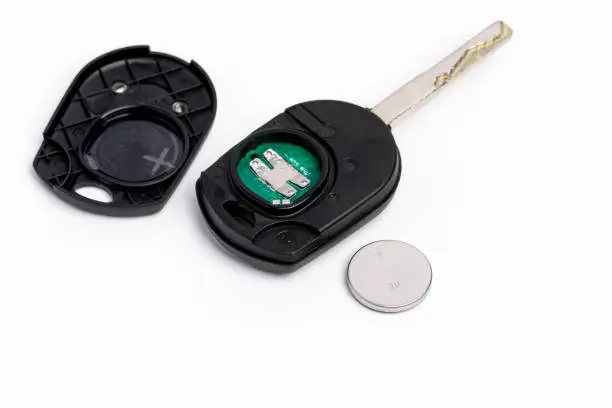
A key fob remote lets you arm the system as you walk away and disarm it as you approach, without fumbling with a switch. Many modern systems also support arming confirmation via a light flash or horn chirp, so you always know the system is active.
Immobilizer integration
The strongest alarm setups tie into the vehicle's starting circuit, so even if someone gets inside, the engine simply won't start without the correct key or remote present. This is often the single biggest deterrent against theft, beyond the noise of the siren itself.
Door, hood, and trunk triggers
Separate sensors on each entry point mean the system knows exactly which part of the vehicle was disturbed — useful both for deterrence and for reviewing what happened after an incident.
Choosing a setup that fits
- Park on the street often? Prioritize shock sensors and a loud siren.
- Worried about theft, not just break-ins? Immobilizer integration matters most.
- Running a small fleet? Look at systems that pair well with GPS tracking for a combined view.
We install and configure alarm systems matched to your vehicle and how you actually use it — not a one-size-fits-all package.
Book A Technician Today
Whatever brought you to this article, our team can usually resolve it the same day.